
Home Maintenance Checklist: Monthly, Seasonal and Yearly Tasks

Short answer: a home maintenance checklist works best by frequency. Every month, check the HVAC filter and test smoke alarms. Every season, schedule the heating or cooling check-up, handle the outdoor faucets and yard waste, and get ready for freezing weather. Once a year or so, test for radon and look over the things that wear out, like alarms and dryer vents. In Prince George’s County and DC, the local pieces matter too: WSSC Water’s frozen-pipe advice, the county’s yard trim rules and DC’s leaf collection.
This checklist puts each task in order with the official source behind it. Tap “Add to my home list” on any task to build your own list on this device, check things off, and print it. No account needed.
Last checked November 10, 2026, against ENERGY STAR, NFPA, the Consumer Product Safety Commission, the U.S. Fire Administration, EPA, USDA, the Department of Energy, WSSC Water, Washington Gas, Prince George’s County and District of Columbia pages (listed at the bottom). Kalm Kode is an independent guide. For anything involving gas, electrical work or a burst pipe, call a licensed professional.
My home list
Tap “Add to my home list” under any task below to build your list. It’s saved only on this device.
The 30-second version
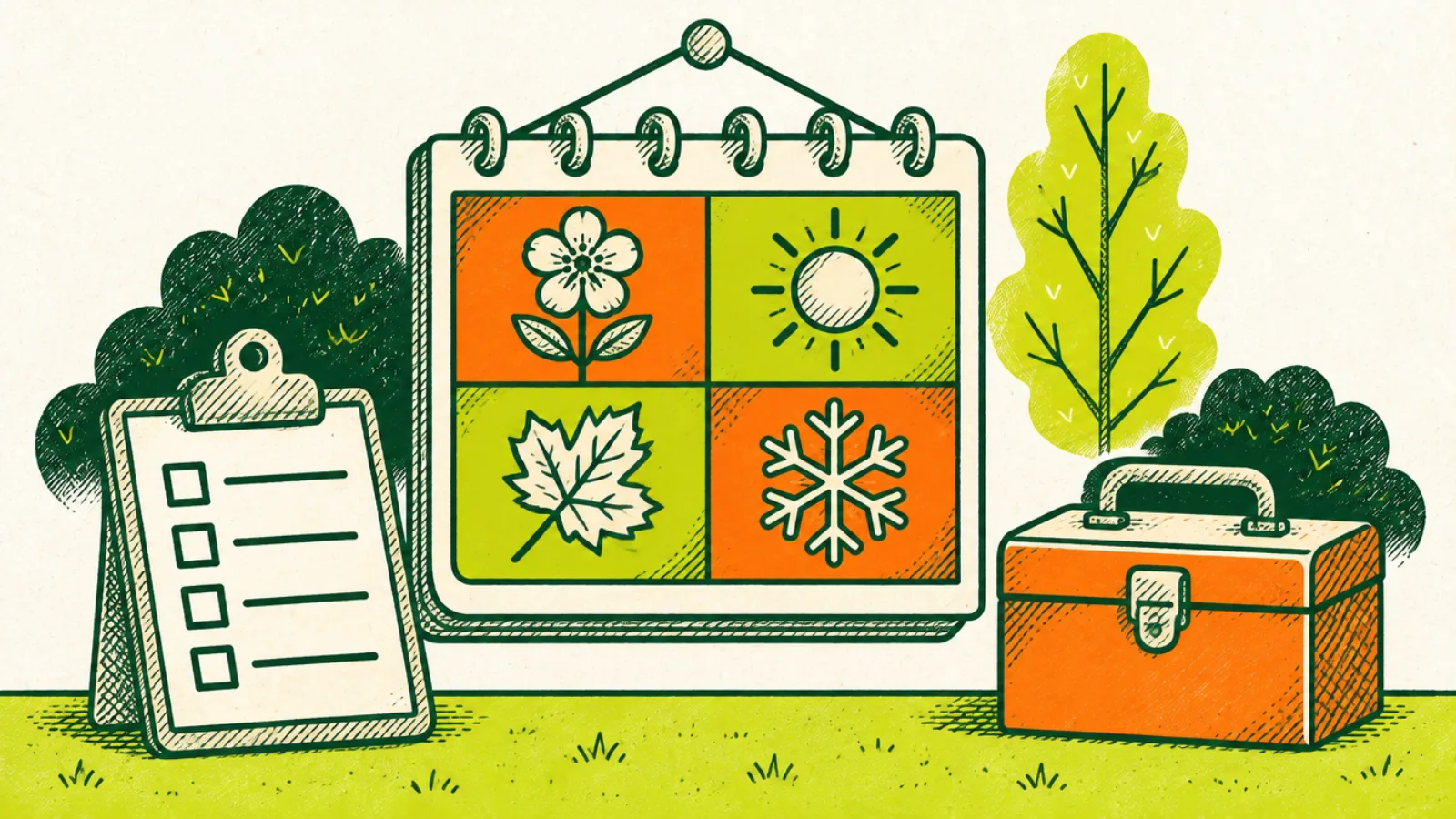
- Every month: check the HVAC filter and test smoke alarms.
- Every dryer cycle: clean the lint filter before and after.
- Spring: cooling system check-up, outdoor faucets back on, look for leaks.
- Fall: heating system check-up, shut off and drain outdoor faucets, deal with leaves.
- Winter: keep pipes above 55°F, know where the main water shutoff is.
- Every year or two: test for radon, check alarm ages and dryer vents.
- Local: Prince George’s County yard trim goes out Mondays in paper bags or cans, never plastic. DC leaves get raked to the tree box.
Monthly
1. Check the HVAC filter
Time: five minutes.
ENERGY STAR says to inspect, clean or change the air filters in your central air conditioner, furnace or heat pump once a month. A dirty filter makes the system work harder. Write the filter size on the unit or in your phone so you always buy the right one. Source: ENERGY STAR.
2. Test smoke alarms
Time: one minute per alarm.
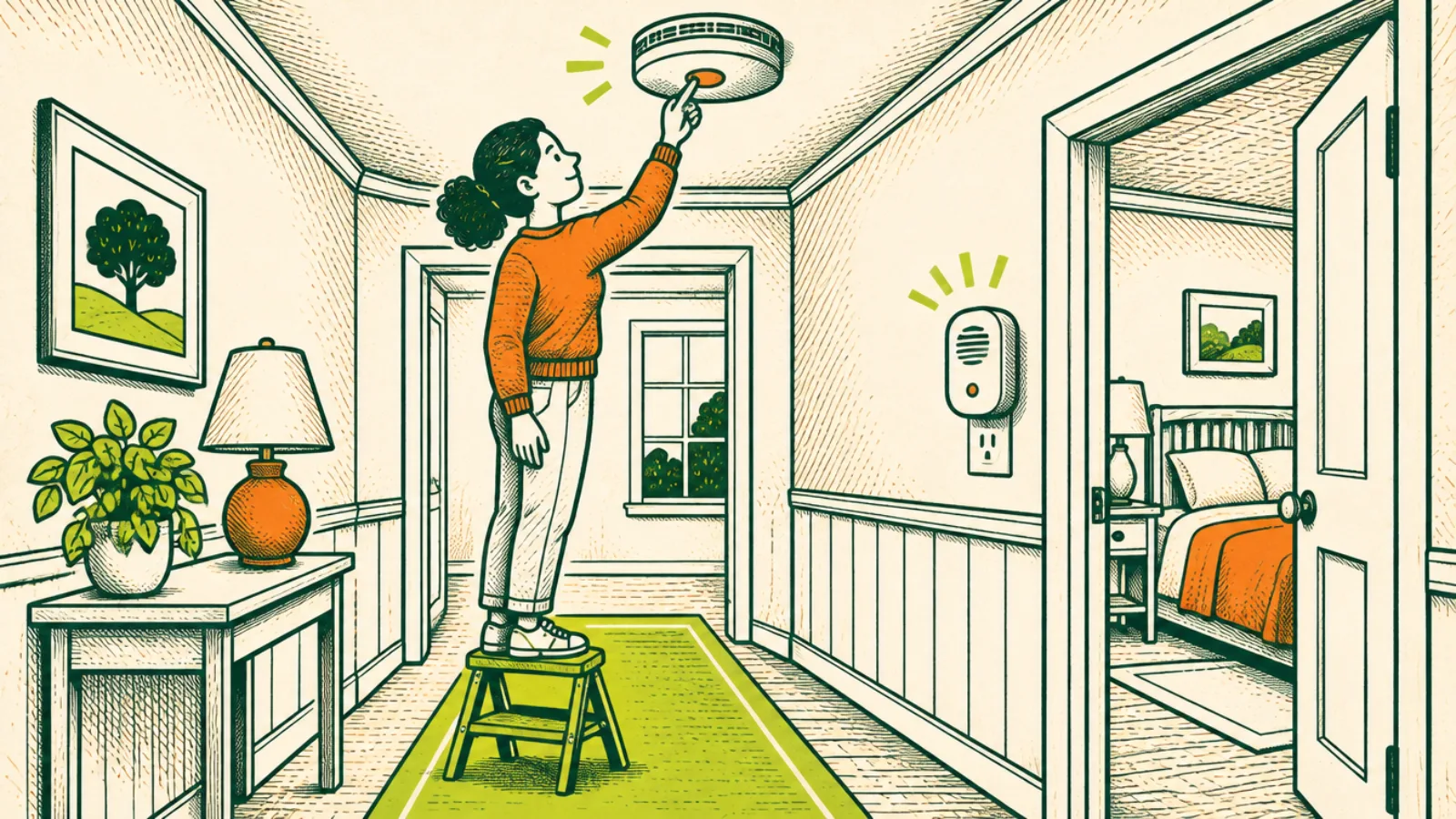
NFPA says to test all smoke alarms at least once a month by pressing the test button. It recommends alarms in every sleeping room, outside each sleeping area and on every level, including the basement, and interconnected alarms so that when one sounds, they all sound. Source: NFPA.
3. Check carbon monoxide alarms
Time: a few minutes.
The Consumer Product Safety Commission says to install a carbon monoxide alarm on every level and outside sleeping areas, and to check the batteries regularly. It also recommends interconnected alarms. Make the CO check part of the same monthly round as your smoke alarms. Source: CPSC: Carbon Monoxide.
4. Check the fridge temperature
Time: 30 seconds.
USDA’s Food Safety and Inspection Service says the safe refrigerator temperature is 40°F or below, and that food kept constantly at 0°F in the freezer stays safe. An appliance thermometer shows whether the dial setting actually gets there. Sources: FSIS: Leftovers and Food Safety, FSIS: Freezing and Food Safety.
Every load
5. Clean the dryer lint filter
Time: 10 seconds.
The U.S. Fire Administration says to clean the lint filter before and after each cycle and never run the dryer without it. Not cleaning the filter and vents raises the risk of a dryer fire. Source: U.S. Fire Administration.
Spring
6. Schedule the cooling system check-up
When: spring, before contractors get busy in summer.
ENERGY STAR recommends an annual pre-season check-up, with the cooling system in spring. For air conditioning, it lists cleaning the evaporator and condenser coils, checking the refrigerant level, and cleaning and adjusting blower parts. It also lists checking thermostat settings, tightening electrical connections, lubricating moving parts, checking the system controls and checking the condensate drain, since a clogged drain can cause water damage. Source: ENERGY STAR.
7. Look for leaks after winter
Time: 10 minutes, plus two hours of waiting.
EPA’s WaterSense program has two simple checks:
- Toilet dye test: put a couple of drops of food coloring in the tank, wait 10 minutes without flushing, and see if color shows up in the bowl. If it does, you have a leak, most likely a worn flapper. Flush afterward.
- Water meter test: read the meter when no water is being used, then again two hours later. If it changed, you probably have a leak.
Also look under sinks for wet pipe connections, puddles or water spots. Source: EPA WaterSense.
8. Turn outdoor faucets back on and check the hoses
When: after the last hard freeze.
If you shut off the water to your outdoor faucets last fall (step 12), turn the inside valve back on, open the outdoor faucet and check for drips or spraying at the connection. A leak at the faucet in spring can be a sign a pipe was damaged by freezing.
Summer
9. Keep yard trim out of the trash
When: all season, especially mowing and pruning time.
In Prince George’s County, the county says yard trim collection is on Mondays for residents who get county trash and recycling service, with carts or bags at the curb by 6 a.m. The rules:
- No plastic bags. Use large paper yard bags, a handled can with a secure lid marked “Yard Trim” or “Yard Waste,” or the county’s green Organics cart. Cardboard boxes aren’t accepted.
- Branches: tie limbs in bundles no longer than 4 feet and no thicker than 3 inches.
- Weight: under 60 pounds for dry grass and leaves, under 25 pounds for wet.
- Drop-off option: the Brown Station Road Convenience Center, Monday to Saturday, 7 a.m. to 6 p.m.
The county’s page and its summary differ on whether collection runs year-round, so confirm with PGC311 for your address. Source: Prince George’s County: Yard Trim Collection.
10. Watch the condensate drain
When: whenever the AC runs.
ENERGY STAR lists the condensate drain on its check-up list because a clogged drain can cause water damage and affect indoor humidity. If you see water pooling near the indoor unit, call your HVAC contractor. Source: ENERGY STAR.
Fall
11. Schedule the heating system check-up
When: fall, before the cold.
ENERGY STAR recommends checking the heating system in fall. For gas or oil systems, it lists checking all gas or oil connections, gas pressure, burner combustion and the heat exchanger, because problems there can be a fire hazard, a health risk and an efficiency drain. This is a job for a licensed contractor. Source: ENERGY STAR.
12. Shut off and drain the outdoor faucets
When: before the first hard freeze.
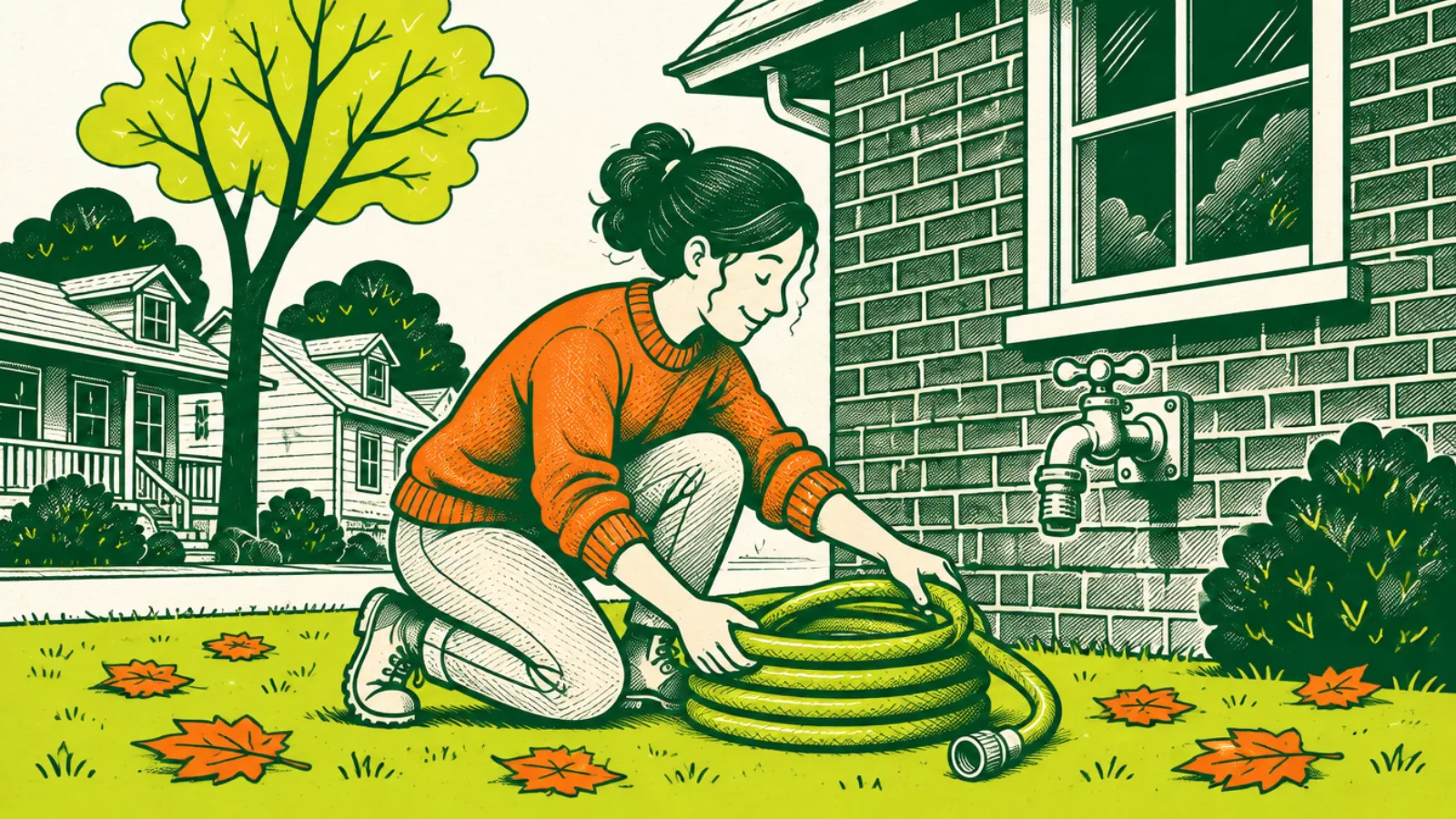
WSSC Water says to shut off the water to your outdoor hose connections using the valve inside the home on the pipe that supplies them, then disconnect all hoses and drain the lines. Source: WSSC Water: Winter Ready.

13. Handle the leaves
Prince George’s County: leaves go out with yard trim on Mondays in paper bags, cans or the green Organics cart, never plastic bags, and under 60 pounds per bag dry. See step 9 for the full rules.
DC: For the 2026–27 season, the District says to rake leaves into your tree box or along the curb by the Sunday before your scheduled collection week. Every street with DPW trash and recycling service gets at least two scheduled leaf collections, and DPW gives about 10 days’ advance notice of your collection period. Use paper bags if you bag at all; leaves in plastic bags can’t be composted and get collected as trash. Find your section with the Leaf Tracker, use the MyDPW app, or call the leaf line at 202-671-LEAF. Source: Mayor Bowser Kicks Off 2026–2027 Leaf Season.
14. Check the dryer vent outside
When: once a year, fall is a good time.
The U.S. Fire Administration says to make sure the dryer’s venting system isn’t damaged, crushed or restricted, that the outdoor vent flap opens while the dryer runs, and to clean the back of the dryer where lint builds up. Source: U.S. Fire Administration.
Winter
15. Keep pipes from freezing
When: any cold snap.
WSSC Water’s winter advice:
- Keep pipe areas warm, at least 55°F, wherever water meters and interior pipes are.
- Seal drafts by closing doors and windows tightly and fixing gaps.
- Keep the garage door shut if water lines run through the garage.
- Insulate pipes in colder parts of the home.
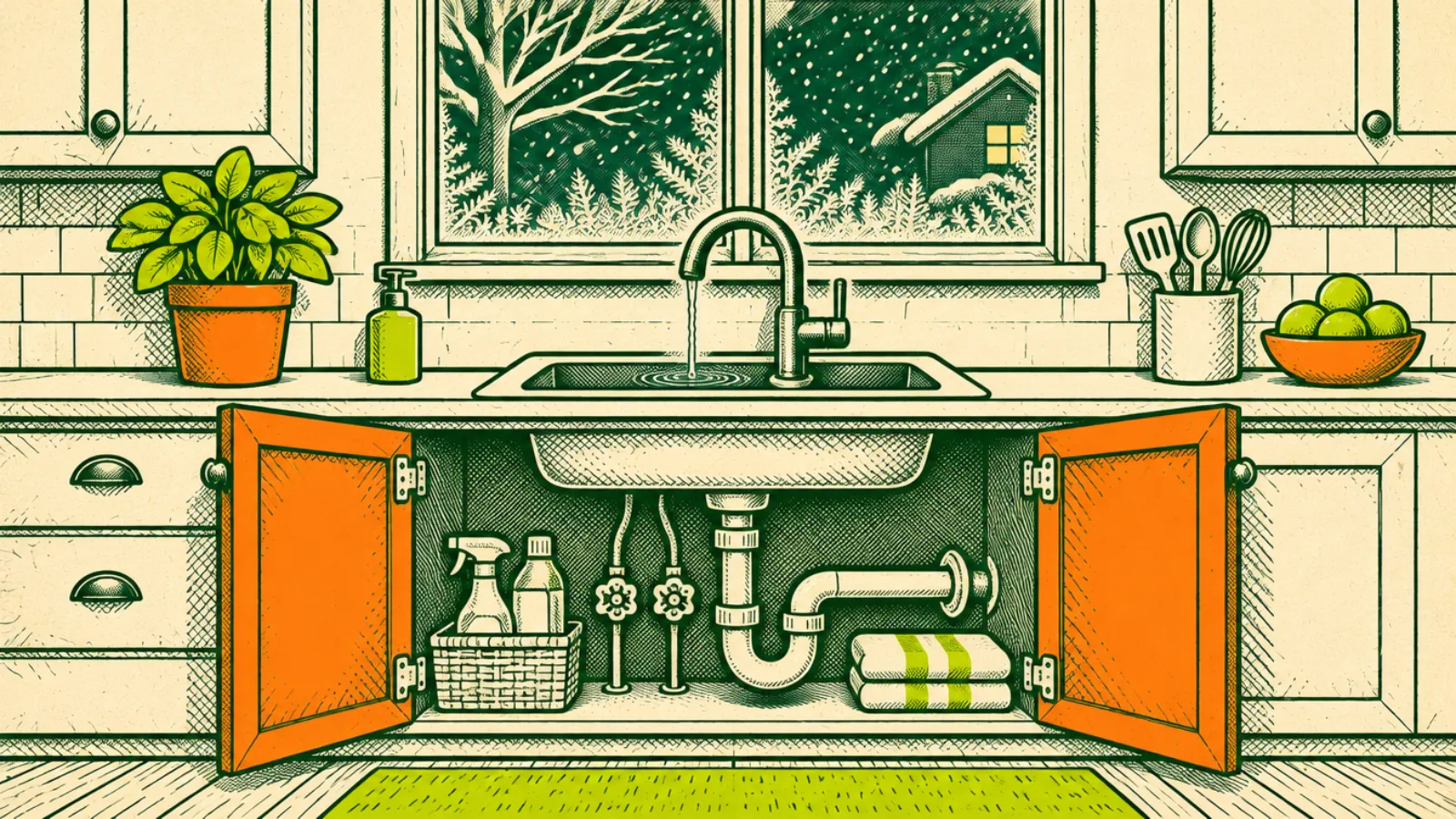
- During a long cold snap, let faucets drip to keep water moving, but only while you’re home, and open cabinet doors so room heat reaches the pipes.
- Going away? Leave the heat on, set no lower than 55°F.
Source: WSSC Water: Winter Ready.
16. Find your main water shutoff before you need it
Time: five minutes, once.
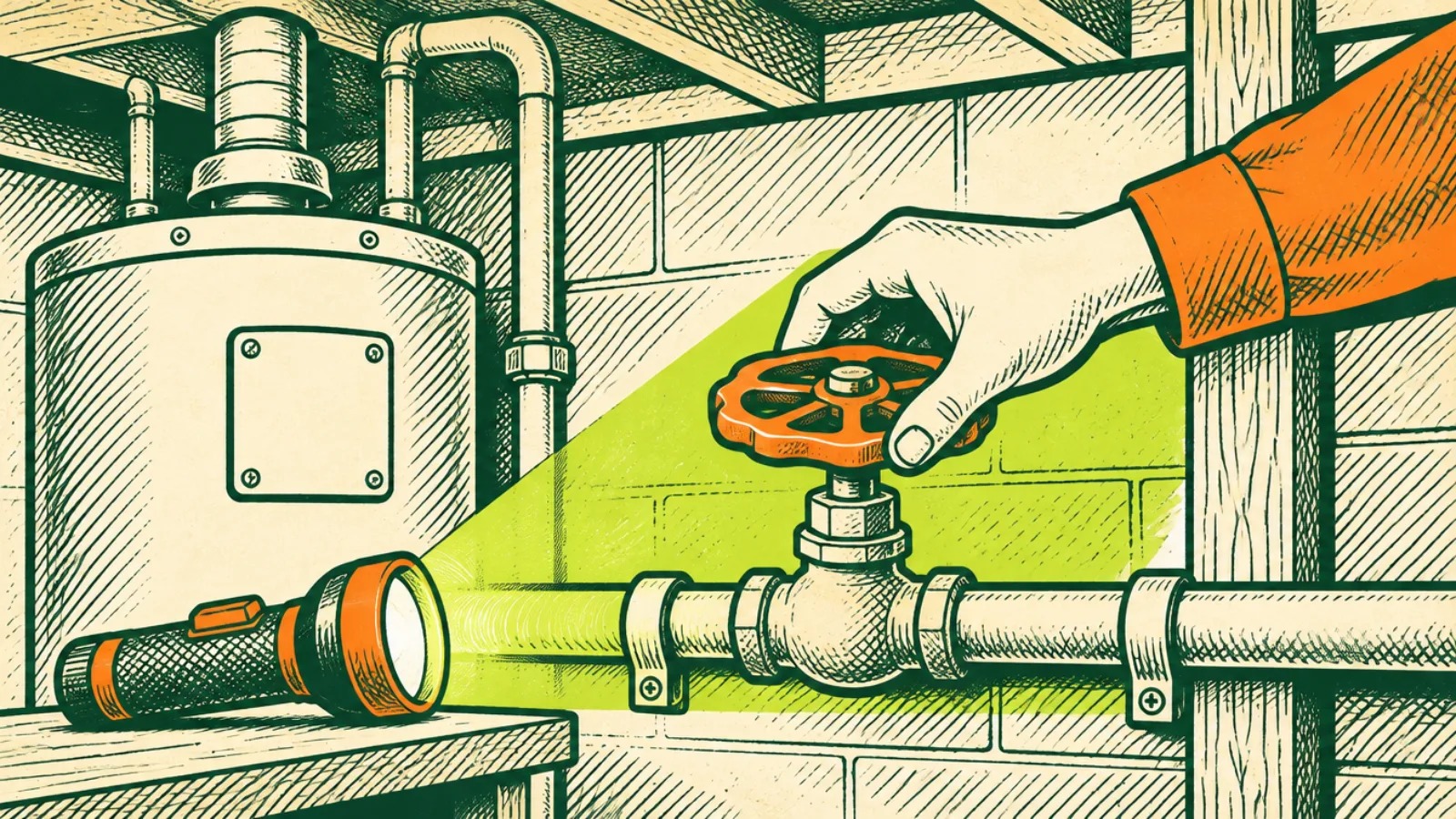
WSSC Water says to locate and operate your main water shutoff valve, because if a pipe bursts inside, it lets you stop the water fast. Find it, make sure it turns, and show everyone in the house where it is. Source: WSSC Water: Winter Ready.
17. Know what to do if a pipe freezes
WSSC Water says to fully open the cold-water faucet nearest the frozen section to relieve pressure. If you thaw it yourself, use a hand-held electric hair dryer carefully, and know where your main shutoff is first, since a thawing pipe can split and spray. When in doubt, WSSC says to call a registered licensed plumber. Source: WSSC Water: Winter Ready.
18. Put the Christmas tree out the right way
In Prince George’s County, the county accepts Christmas trees with yard trim from December through January, on the same Monday yard trim schedule. Source: Prince George’s County: Yard Trim Collection.
Once a year or every few years
19. Test for radon
Time: a few minutes to set up a test kit.
EPA says, “No matter where you live, test your home for radon—it’s easy and inexpensive.” EPA also says its radon zone map shouldn’t be used to decide whether an individual home needs testing, so test even if your neighbors’ results were low. Source: EPA: Radon Zones and Supplemental Information.
20. Replace smoke alarms that are 10 years old
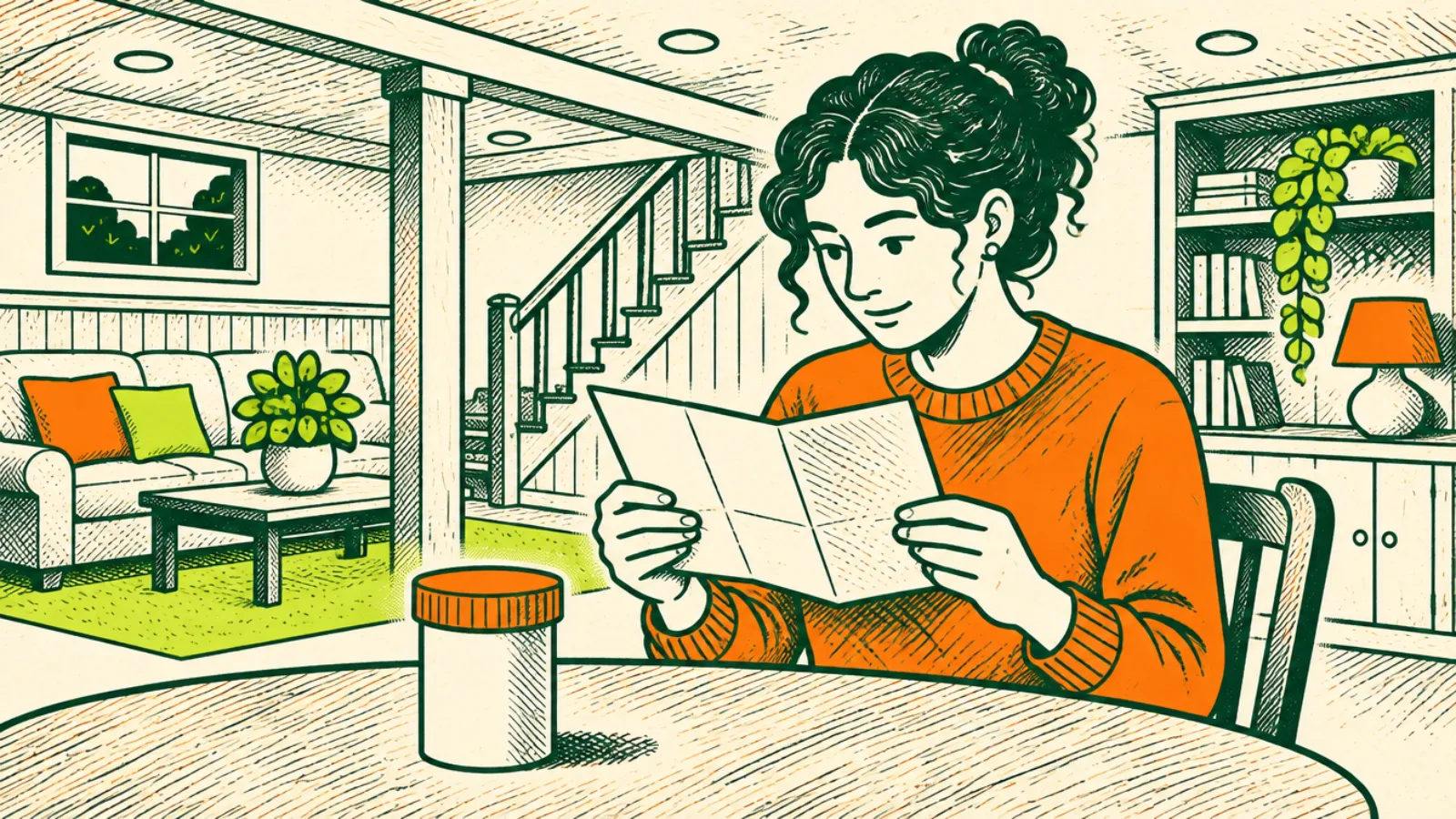
NFPA says to replace smoke alarms every 10 years. Most alarms have a manufacture date on the back. If yours are older than that, or you can’t find a date, replace them. Source: NFPA.
21. Look at the water heater
The Department of Energy’s home energy checklist says to turn the water heater down to the warm setting (120°F), which saves energy and lowers the risk of burns. It also says to check whether your water heater has an insulating blanket and to insulate hot water pipes. Check the tank and connections for leaks or rust while you’re there, and follow your water heater manual for any maintenance it calls for. Source: DOE: Home Energy Checklist.
22. Walk the outside of the house
Once a year, walk around the outside and look for loose or missing roof shingles, clogged gutters, cracked caulk around windows and doors, and damaged siding. Small gaps let in water and drafts. Fix what’s simple, and call a contractor for roof work.
Keep a simple home file
Most of the friction in home maintenance is not the work. It’s the hunting: the filter size, the plumber’s number, the date the alarms went in. A one-page home file fixes that. Keep it in your phone notes or taped inside a utility closet door.
- Filter size and type: written once, so every store run is one trip.
- Where things are: the main water shutoff, the electrical panel, the water heater and the outdoor faucet valves.
- Dates: when the smoke and CO alarms were installed, when the last heating and cooling check-ups happened, and when you last tested for radon.
- Contacts: your HVAC contractor, a licensed plumber, your landlord or property manager, and the water and gas emergency numbers.
- Local schedule: your yard trim day in Prince George’s County, or your leaf collection window in DC.
Put the next due date beside each yearly task. When you finish a job, cross out the date and write the next one. That small habit turns a checklist you read once into a calendar you actually follow.
Set reminders so it runs on its own
You don’t need an app for this. Two recurring phone reminders cover most of the list:
- First of every month: filter, smoke and CO alarms, fridge thermometer.
- Start of spring and start of fall: book the system check-up, handle the outdoor faucets, and run the leak checks.
Add one more for the first forecast below freezing, and one yearly reminder for radon and the outside walk-around. If you want a printed version, use “Add to my home list” on the tasks you care about and hit Print.
Renting? What’s on you and what isn’t
If you rent, many of these tasks belong to your landlord, but some are still yours:
- Usually yours: testing smoke and CO alarms, cleaning the dryer lint filter, the fridge thermometer, and keeping heat on in winter so pipes don’t freeze.
- Report right away: leaks, a running toilet, a clogged condensate drain or a dead alarm.
- Smell gas? Don’t report it first. Leave right away, call 911 and the Washington Gas emergency line at 844-927-4427 (option 1) from outside, then tell your landlord.
- Check your lease for who handles filters, outdoor faucets and yard work.
Reporting in writing, by email or the portal your landlord uses, gives you a record.
A worked example: one homeowner’s year
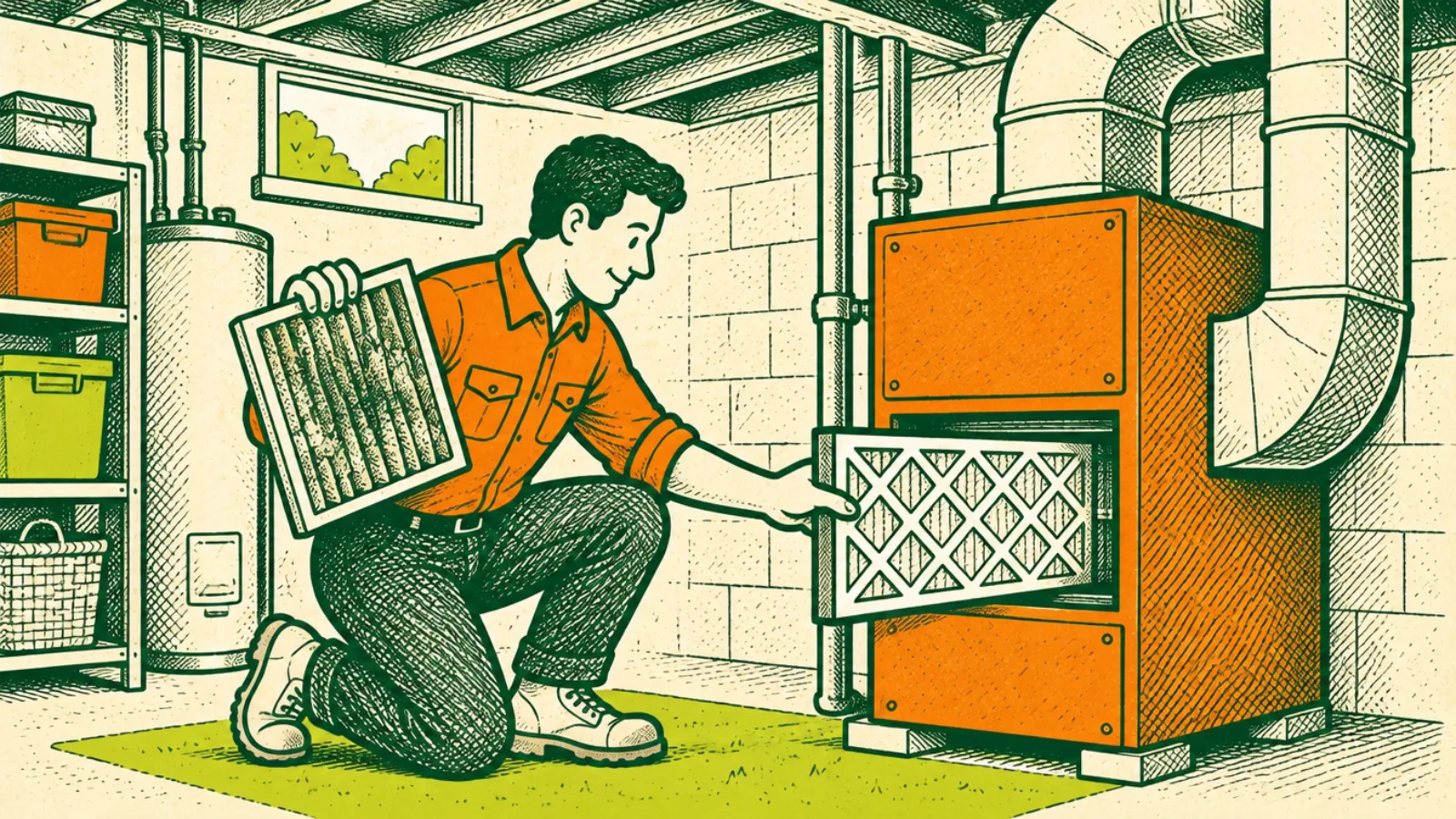
Here’s how the checklist can work for a Prince George’s County homeowner. It’s an illustration, not a real person.
First of every month: filter check, smoke and CO alarm test, fridge thermometer glance. About 15 minutes.
April: books the AC check-up, runs the toilet dye test and meter test, turns the outdoor faucets back on.
Summer Mondays: grass clippings and branches go out in paper yard bags and 4-foot bundles, not in the trash.
October: books the furnace check-up, shuts off and drains the outdoor faucets, checks the dryer vent flap.
November: leaves go out on Mondays in paper bags.
First cold snap: opens the cabinet under the kitchen sink and leaves the heat at 55°F or higher during a weekend away.
Once a year: a radon test kit in the basement, and a walk around the house.
The big jobs go to licensed contractors. The checklist just makes sure they get scheduled.
Who to call
- Water main break, or no water: WSSC Water in Prince George’s County (301-206-4002), or DC Water in the District.
- Frozen or burst pipe: shut off the main valve, then call a licensed plumber.
- County services like yard trim: PGC311.
- DC leaves: 202-671-LEAF or dpw.dc.gov.
- Gas smell or CO alarm sounding: get everyone out first, then call 911 from outside. For a gas smell, also call Washington Gas at 844-WASHGAS, option 1.
- Not sure which office handles something? Our Who Handles This? tool covers everyday local problems in Prince George’s County.
Common mistakes
- Waiting for a problem. Monthly checks catch most issues early.
- Skipping the fall faucet shutoff. WSSC says to shut off and drain outdoor connections before freezing weather.
- Plastic bags for yard waste in Prince George’s County. The county doesn’t accept them.
- Turning the heat way down when you travel in winter. WSSC says no lower than 55°F.
- Not knowing where the main shutoff is. Find it before a pipe bursts.
- Assuming radon isn’t a local issue. EPA says to test no matter where you live.
- Keeping smoke alarms past 10 years. NFPA says to replace them.
FAQ
What should be on a home maintenance checklist?
Monthly: HVAC filter, smoke and CO alarms, fridge temperature. Seasonal: heating and cooling check-ups, outdoor faucets, yard waste and freeze prep. Yearly or longer: radon testing, replacing old alarms, the dryer vent and a walk around the outside.
How often should I change my HVAC filter?
ENERGY STAR says to inspect, clean or change it once a month, and replace it when it’s dirty.
How often should I test smoke alarms?
NFPA says at least once a month, and to replace smoke alarms every 10 years.
When should I get my furnace and AC serviced?
ENERGY STAR recommends annual pre-season check-ups: cooling in spring and heating in fall, before contractors get busy.
How do I keep pipes from freezing?
WSSC Water says to keep pipe areas at least 55°F, insulate pipes in cold areas, let faucets drip and open cabinet doors during long cold snaps, and shut off and drain outdoor hose connections.
How do I get rid of leaves in Prince George’s County?
The county collects yard trim, including leaves, on Mondays for residents with county trash service. Use paper bags, a marked can or the green Organics cart. Plastic bags aren’t accepted.
How does DC leaf collection work?
For 2026–27, rake leaves into your tree box or along the curb by the Sunday before your collection week. Every street with DPW trash and recycling service gets at least two scheduled collections, with about 10 days’ notice. Use paper bags only; leaves in plastic bags are collected as trash.
Should I test my home for radon?
Yes. EPA says to test your home no matter where you live.
Sources
Checked November 10, 2026:
- ENERGY STAR: Heating and Cooling Maintenance Checklist
- NFPA: Smoke Alarms
- CPSC: Carbon Monoxide Information Center
- U.S. Fire Administration: Clothes Dryer Fire Safety
- EPA WaterSense: Home Maintenance
- EPA: Radon Zones and Supplemental Information
- FSIS: Leftovers and Food Safety
- FSIS: Freezing and Food Safety
- DOE: Home Energy Checklist
- WSSC Water: Winter Ready
- Prince George’s County: Yard Trim Collection
- Mayor Bowser Kicks Off 2026–2027 Leaf Season
- DC DPW: Leaf Collection and Leaf Tracker
- WSSC Water: Emergency Water and Sewer Problems
- Washington Gas: Safety